Bedding · Materials · Care
What Makes Organic Linen Sheets a Healthy Bedding Choice? A Naturepedic Guide
A bed is a small climate of its own. It gathers warmth, releases moisture, and meets the skin for hours at a time. Organic linen sheets can help make that nightly environment feel more breathable and comfortable—but the fabric, its sourcing, its construction, and its care all matter.
A practical guide to linen’s natural properties, organic certification, fitted-sheet details, and everyday laundering.
In a quiet bedroom, the difference between a comfortable night and a restless one can come down to how bedding handles heat and moisture. A sheet is not a medical device, and no fabric can guarantee better sleep or prevent allergies. But its surface and structure influence the feel of the bed: whether it seems clammy or dry, close or airy, smooth or textured.
Linen has a long history as a household textile because flax fibers can be spun into a strong, absorbent cloth. In modern bedding, that same material is valued for its relaxed texture and ability to allow air to circulate. Organic linen adds a sourcing dimension: it identifies how the fiber was grown and, when supported by a credible certification, offers information about aspects of processing as well.
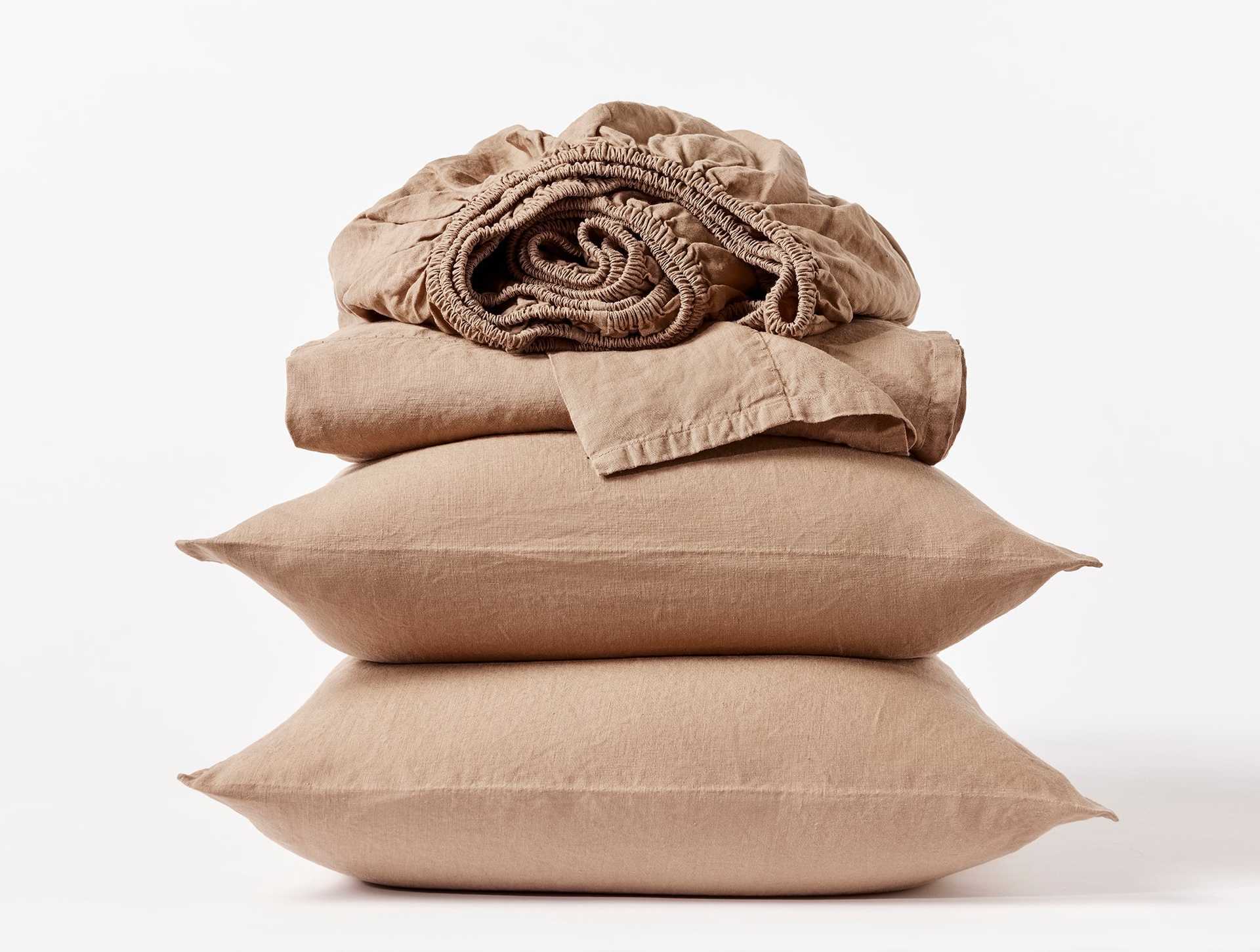
Naturepedic’s organic linen sheets provide one example for considering those questions. Product information describes sheets made from GOTS-certified organic flax linen, with a 185-gram-per-square-meter fabric weight, a fitted sheet with a 15-inch pocket, and home-care instructions that include warm washing and low-heat tumble drying. The details are useful, but they should be read as a specific product’s specifications—not as rules that apply to every linen sheet.
What linen is—and why it feels different
Linen is made from the fibers of the flax plant. The fibers are processed and spun into yarn, then woven into fabric. Compared with many cotton sheets, linen often has a more visibly irregular surface and a slightly textured hand. Those natural variations are part of its character, not necessarily signs of poor quality.
The feel of a linen sheet depends on several things: the quality and preparation of the yarn, the weave, fabric weight, finishing treatments, and how the cloth has been washed or softened. Some linen feels crisp at first; prewashed or garment-washed versions may feel more relaxed from the start. With repeated laundering and use, many linen fabrics soften, though the pace and result vary.
For sleep comfort, one of linen’s most relevant qualities is its open, breathable structure. Air can move through the cloth, and the fabric can absorb moisture from the skin. That does not mean a sheet can control room temperature or keep every sleeper cool. A person’s bedding layers, mattress, room conditions, sleepwear, and individual physiology all play a part. Linen is best understood as one component of a comfortable sleep environment, rather than a solution on its own.
Breathability and moisture management
During sleep, the body releases heat and moisture. When a sheet holds moisture against the skin, it may feel damp or sticky. A breathable fabric can support airflow at the surface, while an absorbent fiber can take up some moisture and release it as conditions allow. Linen’s fiber and weave give it a characteristic dry, airy feel that many people appreciate, especially in warm weather or when they tend to sleep hot.
These are comfort characteristics, not health guarantees. Linen does not eliminate perspiration, prevent overheating in every situation, or create a clinical barrier against allergens. A sleeper who experiences persistent night sweats, breathing symptoms, or disrupted sleep should consider the wider context and consult a qualified health professional when appropriate.
Temperature comfort is also a matter of layering. A lightweight sheet under a thick duvet may feel warm regardless of the fiber. In a warmer season, a linen sheet paired with a lighter cover may feel more comfortable; in colder months, the same sheet can sit beneath insulating layers. Linen’s usefulness across seasons comes partly from that adaptability, not from a fabric acting as a thermostat.
What “organic” tells you
The word “organic” is most meaningful when it is connected to a defined standard and a clear scope. Organic fiber sourcing generally concerns how agricultural materials are grown and handled. It does not, by itself, tell you everything about a finished sheet, such as its durability, softness, dye performance, or environmental impact across its whole life cycle.
When shopping, look for the exact certification named by the maker and check what the certification covers. The Global Organic Textile Standard, commonly abbreviated GOTS, is a textile-processing standard that includes requirements for organic fiber content and relevant environmental and social criteria throughout certified processing stages. A product description that states “GOTS certified” is a useful starting point, but consumers seeking detailed verification can check certification documentation and the scope of the claim.
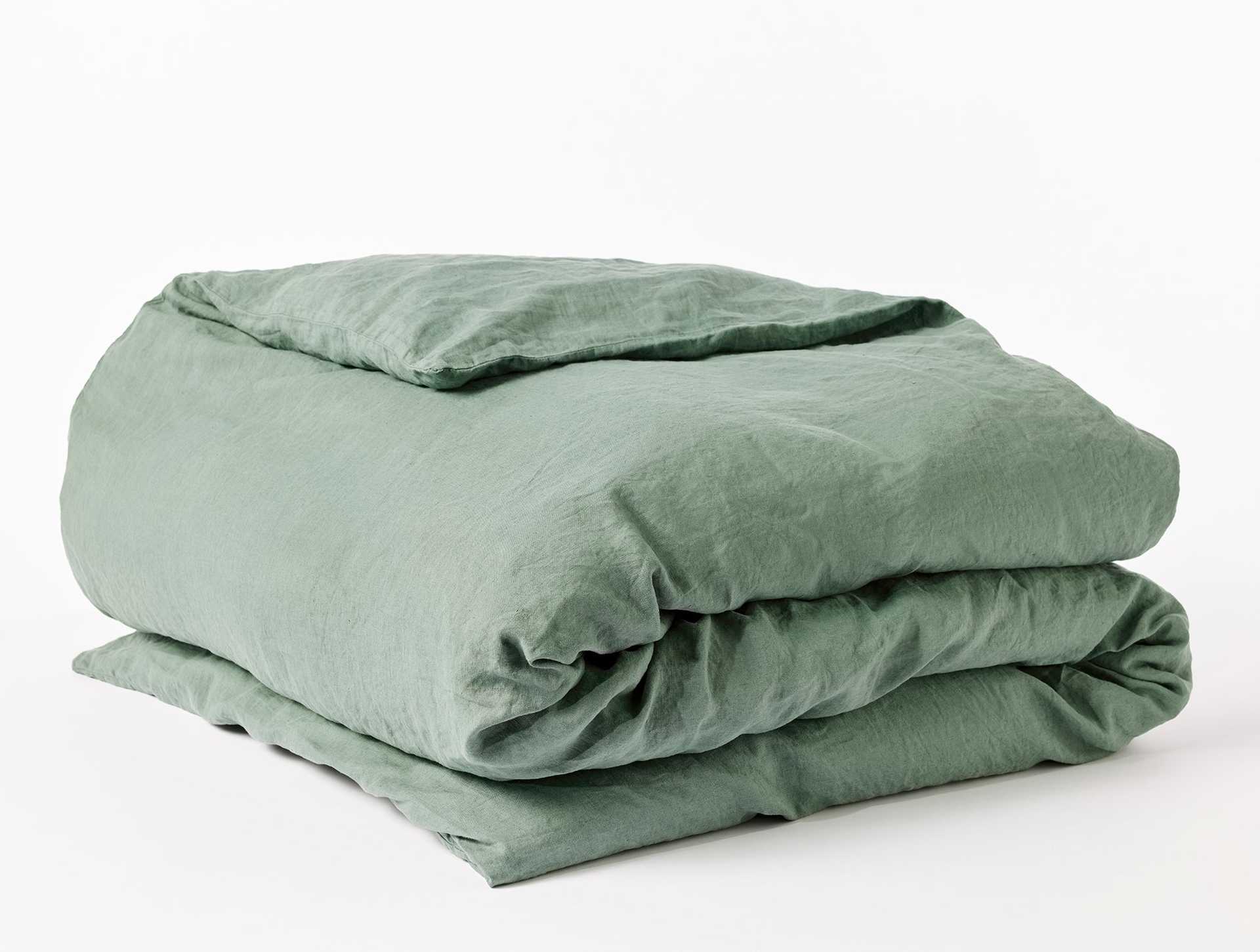
Naturepedic’s listed organic linen sheets are described as GOTS-certified and made from organic flax grown in France, with the linen produced in a GOTS-certified facility in India. The product information gives a fabric weight of 185 gsm and lists colors including Arctic Snow, Beige, Harbor Island, and Forest Canopy. Since supply chains and product details can change, confirm the current label and specifications before making a decision.
Certification should not be confused with a promise that a product is allergy-proof or free from every substance a particular person might react to. People with sensitivities may wish to review the full fiber and finish information, wash new bedding before use, and contact the manufacturer about specific concerns.
Construction details that affect everyday use
A sheet set is more than a fiber label. The design has to fit the mattress, stay in place, and withstand regular washing. In a fitted sheet, pocket depth is the measurement that describes how much mattress height the sheet can cover. A 15-inch pocket may suit many mattresses, but compatibility depends on the mattress thickness and the height added by a topper or protector.
Measure the mattress from its base to its upper surface, including any layers that will remain beneath the sheet. Then compare that measurement with the sheet’s pocket depth and the maker’s fit guidance. A sheet that is stretched too tightly may pull free at the corners; one with too much excess fabric may bunch. Full elastic around the edge can help secure a fitted sheet, but it cannot compensate for a substantial mismatch in size.
Set contents also deserve a close look. A typical set may include a flat sheet, fitted sheet, and pillowcases, but the number and size of pillowcases can vary by size or collection. Duvet covers and shams are often sold separately. Checking the included pieces before purchase prevents assumptions based on a product title or photograph.
For a separate example of the category, the Organic Relaxed Linen Sheet Set is described as organic French flax woven into linen in Portugal. Its listing specifies a 15-inch-deep fitted sheet with full elastic, a plant-based softener finish, and cold, gentle-cycle washing followed by low-heat tumble drying. These details illustrate why care instructions should be checked for the particular set rather than inferred from the word “linen.”
How to care for linen sheets
Good care begins with the sewn-in label. Linen products can differ in dye, finish, construction, and manufacturer recommendations. One sheet set may call for cold water and a gentle cycle; another may allow a warm wash. Use the instructions for the product in hand, and treat general advice as a guide rather than a substitute for its label.
For many linen sheets, a restrained routine helps reduce unnecessary wear:
- Wash sheets separately or with similar colors and fabrics to limit friction and dye transfer.
- Avoid overloading the washer so the fabric can move freely through the water.
- Use the temperature and cycle specified by the manufacturer; a gentle cycle is common for relaxed linen.
- Choose a mild detergent and use an appropriate amount. Excess detergent can be difficult to rinse away.
- Skip chlorine bleach unless the care label explicitly permits it; bleach can damage fibers or affect color.
- Remove sheets promptly after washing to reduce deep creases and damp odors.
- Line dry when practical, or use the recommended low dryer setting. Avoid excessive heat, which can stress fibers and elastic.
Naturepedic’s product information specifies warm machine washing, low-heat tumble drying, warm ironing if desired, and no bleach. That advice differs from the cold-wash guidance listed for some other organic linen products. The contrast is a useful reminder: “linen care” is not a single universal recipe. Follow the label attached to the product.
Wrinkles are part of linen’s familiar appearance. If a smoother finish matters, remove the sheets from the dryer while slightly damp and fold or place them on the bed, or use an iron at the temperature recommended by the maker. A relaxed linen finish is generally intended to look natural rather than perfectly pressed, so ironing is optional unless the product’s care instructions say otherwise.
Linen compared with other bedding fibers
There is no universally best sheet fiber. The right choice depends on the feel a sleeper prefers, the climate, laundering habits, budget, and care requirements.
- Linen: Textured and breathable, with a relaxed drape. It often softens with use, but may wrinkle more visibly than smoother fabrics.
- Cotton: Available in many weaves and finishes, from crisp percale to smooth sateen. Its feel and warmth vary substantially with construction and weight.
- Cotton-linen blends: Combine fibers, so the resulting feel and care needs depend on the blend ratio and weave.
- Synthetic fabrics: Often chosen for specific performance or price considerations, but can feel different from natural fibers and may retain heat differently depending on construction.
Thread count alone is not a complete measure of sheet quality. It describes yarn density in a particular way, but does not establish fiber quality, finishing, durability, or comfort. For linen, buyers may find fabric weight, fiber content, weave description, finishing, and care instructions more useful comparison points. A higher number does not automatically mean a better sheet.
A careful way to think about “healthy bedding”
The phrase “healthy bedding” can suggest more than a product can prove. A well-chosen sheet may contribute to comfort by feeling breathable, managing moisture, and avoiding finishes or materials that a particular household wishes to limit. Yet it cannot guarantee restorative sleep, prevent skin irritation, or replace cleaning and ventilation.
For a practical assessment, consider the whole sleep surface. Wash bedding regularly according to its care label, keep it thoroughly dry before storage, and use a mattress protector if moisture or spills are a concern. People with known sensitivities should review product composition and seek tailored advice rather than relying on broad marketing language.
Organic certification offers one form of information, while construction and care labels answer different questions. A certified fiber does not tell you whether the fitted sheet will fit your mattress. A deep pocket does not tell you whether the finish suits your preferences. Each detail contributes a piece of the picture.
A buying checklist for organic linen sheets
Before choosing a set, compare the specifics rather than relying only on broad claims about comfort or sustainability:
- Confirm that the product is linen made from flax, and check whether it is 100% linen or a blend.
- Look for the named organic certification and understand which parts of the product and supply chain it covers.
- Check where the flax was grown and where the fabric was woven, if origin information is important to you.
- Compare fabric weight, weave, and finish descriptions to understand the expected hand and drape.
- Measure your mattress, including a topper, and verify fitted-sheet pocket depth.
- Check the set’s exact contents, pillowcase dimensions, and available sizes.
- Read washing and drying instructions before buying, especially if you rely on a particular laundry routine.
- Consider whether you prefer a naturally textured, relaxed surface or a smoother, more polished feel.
The enduring appeal of a simple cloth
At night, bedding becomes an immediate landscape: a surface that warms, shifts, and meets the body in darkness. Linen’s appeal is grounded in material qualities that can be felt without a technical vocabulary—its texture, its drape, the way air passes through it, and the way the cloth changes with use. Organic sourcing and third-party certification add another layer of information, helping shoppers ask how the fiber was grown and processed.
Naturepedic’s organic linen sheets illustrate several useful points of comparison: certified organic flax linen, stated fiber origins, a defined fabric weight, a 15-inch fitted-sheet pocket, and explicit care instructions. The larger lesson applies to any brand. Read the material description, verify the certification claim, measure the bed, and follow the care label.
Healthy bedding is not defined by a single fabric or label. It is bedding that suits the sleeper, fits the mattress, can be maintained reliably, and offers clear information about its materials. For those drawn to breathable texture and an unforced, lived-in feel, organic linen may be a thoughtful choice—one that grows familiar through ordinary nights and repeated washes.