Bedding · Fabric care · Sleep comfort
Linen or Cotton Sheets? A Practical Guide to Texture, Care, and Sleep Comfort
The difference between linen and cotton is easiest to understand by living with the fabrics: one has a visibly relaxed texture and a distinctive, airy drape; the other can feel smooth, crisp, or softly brushed, depending on its weave and finish. Neither is automatically better. The right sheets are the ones that suit your preferred feel, sleeping temperature, and laundry routine.
At the end of the day, sheets are more than a decorative layer. They are the fabric closest to the body for hours at a time, absorbing moisture, responding to warmth, and changing with repeated washing. That makes the choice between linen and cotton a practical one as much as an aesthetic one. A sleeper who welcomes texture and an easy, unpressed look may gravitate toward linen. Someone who prefers a familiar, smooth surface may feel more at home in cotton.
Both are plant-based natural fibers, and both can make comfortable everyday bedding. But the words “linen” and “cotton” alone do not tell the whole story. Fiber quality, yarn, weave, finishing, construction, and care all influence the feel and performance of a sheet. Understanding those details makes it easier to compare options without relying on broad claims or assuming that one fabric will suit every sleeper.
A quick guide to the difference
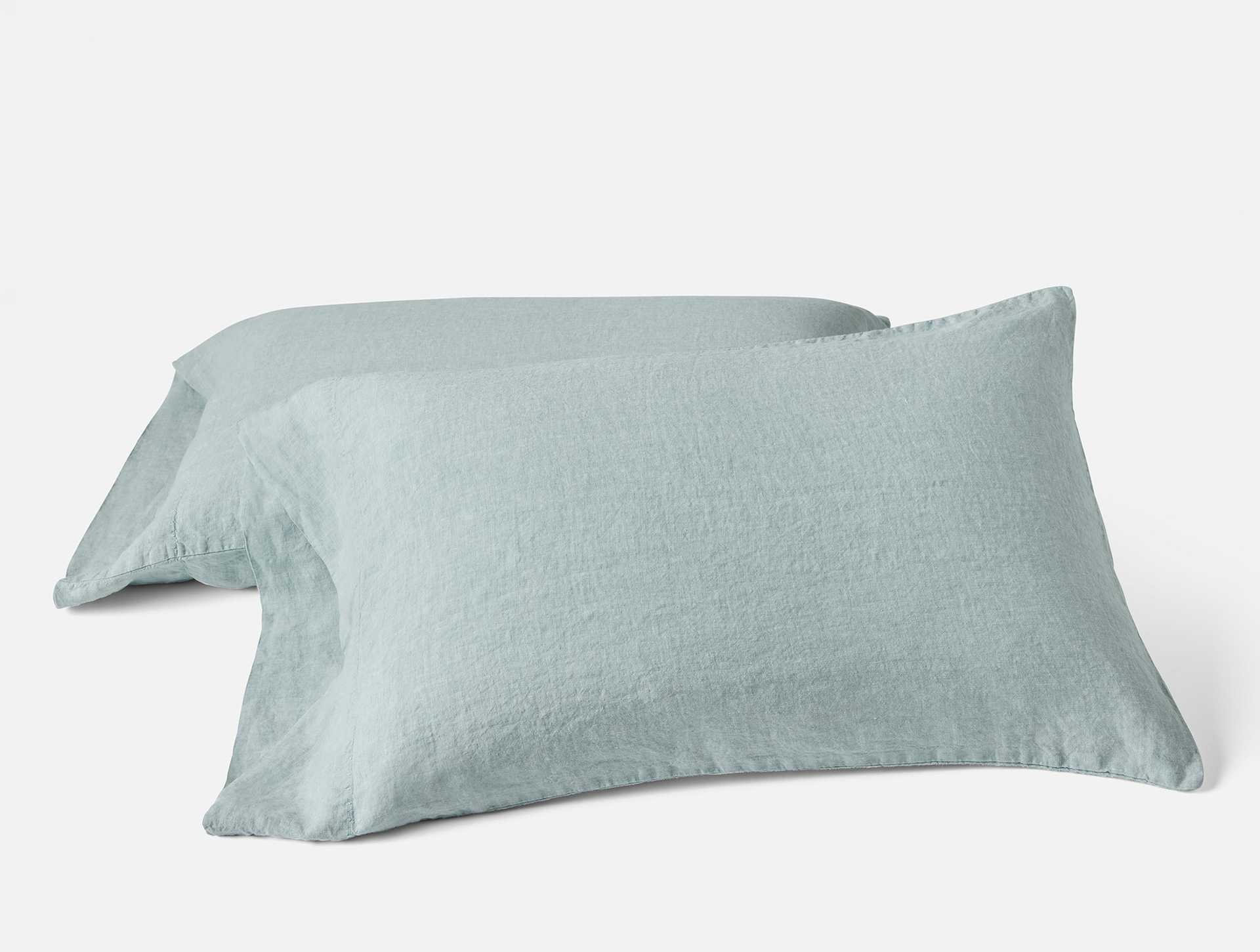
Linen is made from flax fibers. In sheets, it is often recognizable by its subtle irregularity, textured hand, and relaxed drape. The fabric can feel substantial without necessarily feeling heavy, and its appearance tends toward naturally rumpled rather than perfectly smooth. Linen is often chosen by people who enjoy a tactile surface and want bedding that looks at ease even when it has not been ironed.
Cotton is made from cotton fibers and is used in a wide range of sheet constructions. Percale, sateen, and other weaves can produce very different sensations. Percale is commonly associated with a crisp, matte hand, while sateen generally has a smoother surface and a gentle sheen. A cotton sheet’s thread count is only one part of its character; yarn quality and weave matter too. As a result, cotton can be cool and crisp, silky and smooth, or soft and familiar, depending on how it is made.
| Consideration | Linen | Cotton |
|---|---|---|
| Typical surface | Textured, relaxed, and naturally irregular | Varies by weave, from crisp to smooth |
| Visual character | Casual, softly rumpled, and tactile | Can appear crisp, even, or softly lustrous |
| Care priorities | Gentle washing, suitable machine capacity, and moderate drying | Follow the label; avoid excess heat and overcrowded loads |
| Good fit for | People who enjoy texture and an unpressed finish | People who prefer familiar softness or a specific weave feel |
Texture: the difference you notice first
The first encounter with linen is often not softness in the conventional sense, but texture. Linen yarns have natural variations, and those variations remain visible and perceptible in the cloth. Some people enjoy the gentle, dry hand and the way linen drapes without looking overly polished. Others find the surface less familiar than cotton at first. Linen may become more pliable with regular laundering, though its characteristic texture remains part of its appeal.
Cotton is not one single texture. A cotton percale sheet may feel cool and crisp when newly made, then soften through use. Cotton sateen, woven with a different structure, tends to feel smoother against the skin. Brushed or specially finished cotton may feel softer still. For shoppers comparing natural bedding, the most helpful question is not simply “Is cotton soft?” but “Which cotton weave and finish do I like?”
Texture is personal, and it can also depend on context. Someone accustomed to smooth cotton may prefer linen as a top layer, or may find that a washed, relaxed linen finish feels more welcoming than a firmer new fabric. A shopper who likes a crisp hotel-style bed may prefer percale cotton. Whenever possible, consider the fabric description alongside fiber content, weave, and care instructions, rather than judging a sheet by a single marketing term.
Temperature and moisture: what to expect
Linen is frequently selected for its breathable, open-feeling character. Its structure can encourage air movement, and linen bedding is commonly valued by people who prefer a less heat-retaining surface. Cotton can also be breathable, especially in lighter constructions such as percale. A dense weave or a different finishing treatment, however, may change the sensation. Fiber name alone cannot predict exactly how warm a particular sheet will feel.
Both fabrics interact with moisture, but comfort is influenced by the complete sleep system: room temperature, humidity, mattress and duvet materials, sleepwear, and individual physiology. A hot sleeper might appreciate lightweight cotton percale or relaxed linen, while a person who prefers more enveloping bedding might favor a smoother, denser cotton or a layered arrangement. There is no universal temperature winner; the useful comparison is between the specific fabrics and constructions on offer.
Linen’s reputation for year-round use comes from the way its texture and drape can feel airy in warmer conditions while still offering a substantial layer. Cotton is equally adaptable, with many weights and weaves available. If temperature comfort is a priority, look for clear details about material, weave, fabric weight where provided, and laundering directions. Treat claims such as “cooling” as a starting point, not a guarantee that every sleeper will experience the same result.
Cotton as a familiar natural-fiber choice
Cotton’s appeal lies partly in its range. It is widely used in bedding, and shoppers can choose from crisp percale, smooth sateen, and other finishes to find a surface that feels familiar. For those exploring the category, the Sleep and Beyond mySheet Set is described as cotton sateen with a 300-thread-count construction. Its product information notes double-stitched corners, reinforced elastic, and a fitted sheet designed for mattresses up to 18 inches deep. Those details illustrate why it is useful to consider construction and fit alongside the fiber itself.
A fitted sheet that stays securely in place can make a substantial difference to everyday comfort. Mattress depth, elastic coverage, and the dimensions of the sheet set are practical factors that are easy to overlook when attention is focused on softness. Before purchasing, check the full product specifications and the care label, especially if your mattress includes a topper or protector that adds height.
Linen in practice: relaxed texture, considered care
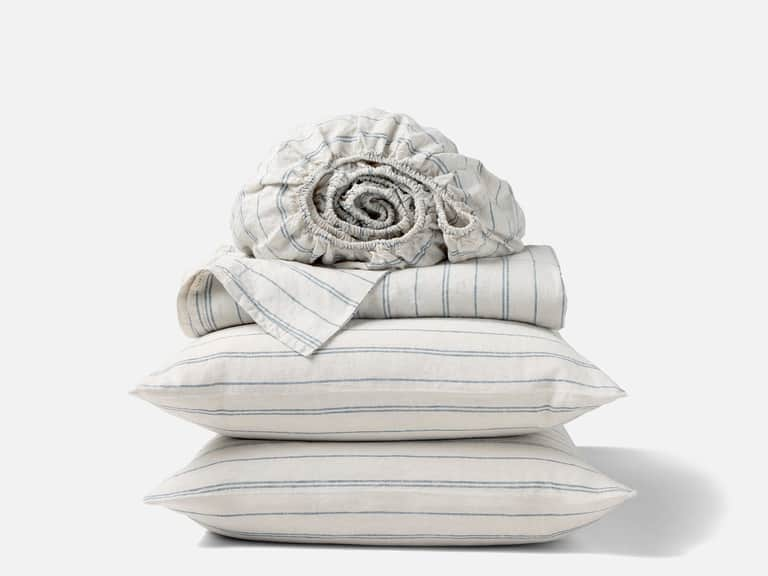
Linen rewards a low-fuss approach, but “easy care” does not mean ignoring instructions. A set such as the Organic Relaxed Linen Sheet Set is described as GOTS-certified organic flax, woven into linen, with a relaxed feel that softens with use. Its stated care guidance is to machine wash cold on a gentle cycle with like colors, tumble dry low, and remove promptly; warm ironing is optional. The fitted sheet is specified with a 15-inch pocket, a useful detail for checking mattress compatibility.
The product description also notes a plant-based softener finish and pick-stitched cuffs. These are specific construction and finishing details, not substitutes for checking the full care label. More broadly, linen bedding generally benefits from room to move in the washing machine. Overcrowding can prevent thorough rinsing and create unnecessary friction. Use an appropriate amount of detergent, avoid harsh treatment unless the care instructions allow it, and choose a drying setting suitable for the fabric.
Wrinkles are part of linen’s visual language for many owners. If a smooth finish matters, remove the sheets promptly from the dryer and iron while slightly damp if the label permits. If a natural rumple is preferred, careful drying and a quick fold may be enough. The choice is not between perfect pressing and neglect; it is about deciding what appearance feels right in your home.
Washing and drying: habits that protect either fabric
Good sheet care begins before the machine starts. Read the manufacturer’s instructions, separate colors where appropriate, and avoid mixing bedding with items that have hooks, zippers, or rough surfaces that may snag. Sheets need enough room to circulate in the wash. If a large set fills the drum tightly, divide the load rather than forcing everything into one cycle.
- Use the care label as the authority. Fiber blends, finishes, and construction can change the recommended water temperature and drying method.
- Choose a suitable detergent amount. Excess detergent may leave residue; more soap does not necessarily mean cleaner fabric.
- Avoid unnecessary high heat. High temperatures can stress fibers and elastic over time. Use the setting recommended for the specific item.
- Do not over-dry. Remove sheets when they are dry, or slightly damp if you plan to iron and the label permits it.
- Consider air-drying. A line or drying rack can reduce mechanical wear, provided the fabric is spread out and local conditions allow it to dry fully.
Drying outdoors may give sheets a fresh, crisp character, while a dryer can be convenient and help soften certain fabrics. Neither method is automatically right for every set. The key is to use moderate, label-appropriate conditions and make sure bedding dries thoroughly before storage. Damp fabric left folded away can develop an unpleasant odor and may require rewashing.
Durability, value, and the life of a sheet
Durability is not determined by fiber alone. Yarn quality, weave density, seam construction, laundering, and frequency of use all contribute. Linen is often appreciated for its strength and for the way its hand may become more supple over time. Cotton also varies widely: a well-made cotton sheet cared for according to its instructions can serve for years, while a poorly suited wash routine can shorten the useful life of almost any fabric.
The most meaningful value calculation is cost across actual use, not price in isolation. Consider how often the sheets will be washed, whether you need multiple sets for rotation, and whether a fabric’s care requirements fit your routine. A premium set that is rarely used because its texture does not suit you may be a poor practical choice. A comfortable, well-fitting set that is laundered appropriately is more likely to become part of everyday life.
How to choose: a simple decision path
Start with the sensation you want when you get into bed. If you are drawn to visible texture, an unpressed appearance, and a relaxed drape, linen may be worth considering. If you prefer a smoother surface, decide whether crisp percale or a silkier cotton sateen better matches your habits. A sample, when available, can be more informative than descriptions alone.
- Choose linen if you like a textured hand, appreciate a casual finish, and are comfortable following its care directions.
- Choose cotton if you want a familiar fiber with a broad choice of weaves and finishes, from crisp to smooth.
- Compare the details if you sleep warm, have a deep mattress, need a particular pillowcase size, or prefer low-maintenance laundering.
- Check certifications carefully if organic sourcing or processing standards matter to you. Confirm what a certification covers rather than assuming it describes every aspect of a product.
It may also help to make a gradual change. Replacing pillowcases first, or using linen in warmer months while keeping cotton for another season, can help clarify which feel suits you. A mixed bedding arrangement is entirely reasonable: the decision need not be a permanent allegiance to one fiber.
Common questions about linen versus cotton sheets
Are linen sheets softer than cotton sheets?
Not in a universal sense. Linen often feels more textured, while cotton can feel crisp or smooth depending on its weave and finish. Linen may become more pliable with repeated use and washing. The best comparison is between actual constructions, not just fiber names.
Do linen sheets always sleep cooler?
No single sheet guarantees a particular sleep temperature. Linen is valued for breathability, and lightweight cotton weaves can also feel airy. Room conditions, duvet weight, and individual comfort all matter.
Does cotton thread count tell me how comfortable sheets will be?
Thread count can be one piece of information, but it does not describe fiber quality, yarn, weave, or finishing on its own. Read the entire product specification and consider the kind of cotton fabric being offered.
Can linen and cotton go in a dryer?
Many sheets can be tumble-dried, but settings vary by product. Follow the label, avoid excessive heat, and remove the sheets promptly. Air-drying is another option where practical.
The best fabric is the one that fits your nights
Linen and cotton are not rivals so much as different answers to the same everyday need. Linen offers a relaxed, tactile surface and an easygoing look. Cotton brings a familiar natural-fiber base with a wide spectrum of textures, from percale’s crispness to sateen’s smoothness. Each can be comfortable and durable when the construction suits the sleeper and the care routine suits the fabric.
Before choosing, consider how you want the bed to feel, how warm you tend to sleep, whether wrinkles bother you, and how much attention you want to give laundry. Then check the details that shape daily use: fiber content, weave, fitted-sheet depth, set contents, and care instructions. The answer to linen or cotton sheets is ultimately found not in a universal ranking, but in the small, repeated experience of climbing into a bed that feels right.